Sri Lanka Travel Guide
Sri Lanka is a fascinating destination, known for its rich culture, ancient history and stunning landscapes, with plenty to see and experience.
Located in the Indian Ocean, just off the southern coast of India, Sri Lanka is home to around 22 million people. Colombo is the country's commercial capital, while Kandy is an important cultural and religious centre, known for its sacred Buddhist sites.
Sri Lanka's history spans thousands of years, shaped by its Buddhist heritage, ancient kingdoms and colonial influences from the Portuguese, Dutch and British. These influences can still be seen today in the country's architecture, traditions and historic landmarks. With its diverse culture, welcoming people and fascinating heritage, Sri Lanka is a wonderful destination to explore.
We've outlined some general information that may be helpful to you when planning your next holiday to Sri Lanka.

Time Zone & Currency
Sri Lanka follows a single time zone, which is five and a half hours ahead of Greenwich Mean Time (GMT). The currency used in Sri Lanka is the Sri Lankan Rupee (LKR).

Weather in Sri Lanka
Sri Lanka's tropical climate varies by region, with the southwest monsoon from May to September and the northeast monsoon from October to January.

Reading For Your Trip To Sri Lanka
The Village in the Jungle by Leonard Woolf
Running in the Family by Michael Ondaatje
Elephant Complex: Travels in Sri Lanka by John Gimlette
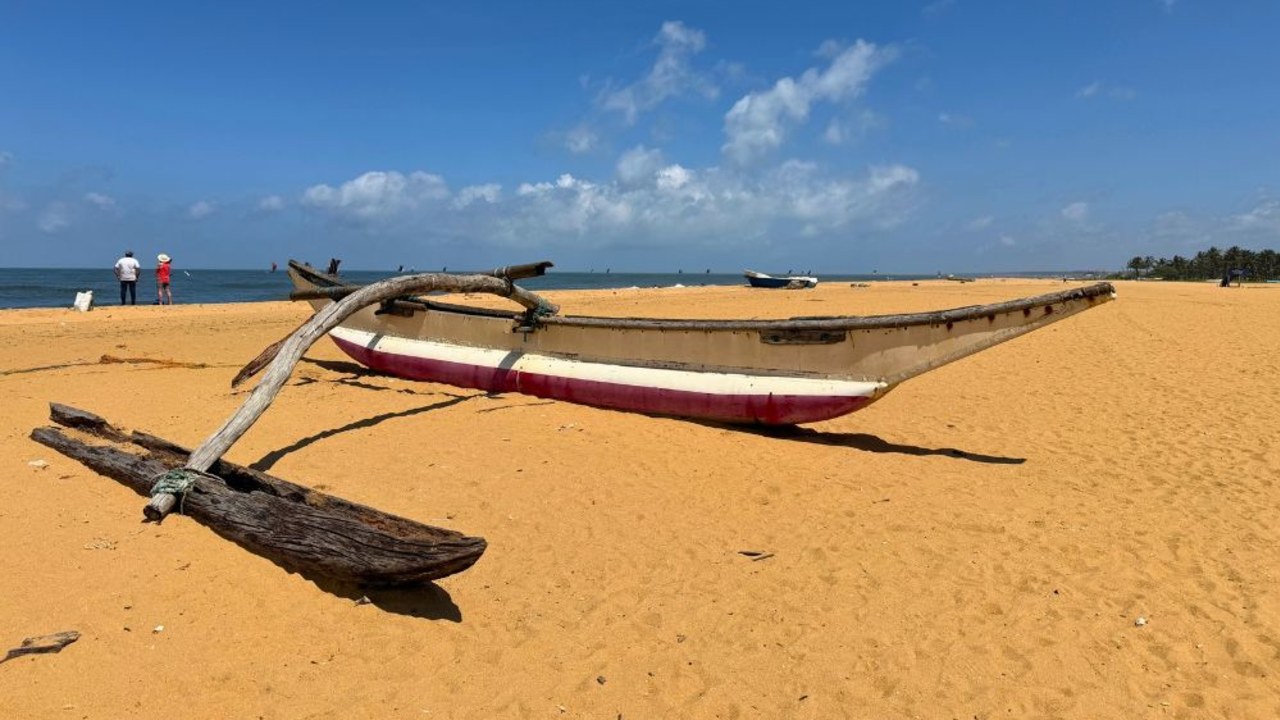
Best time to go to Sri Lanka
While Sri Lanka is a wonderful destination to visit all year round, we travel in April, September and October when warm tropical temperatures make it a great time to explore. Although the weather varies by region due to the monsoon seasons, these months offer plenty of opportunities for sightseeing, discovering historic sites and experiencing the country's beautiful landscapes and rich culture.
Top Tourist Attractions In Sri Lanka
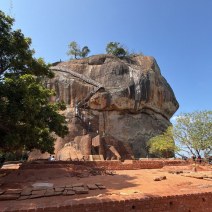
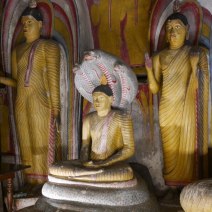
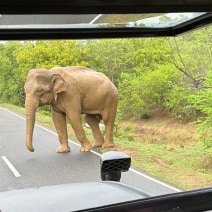
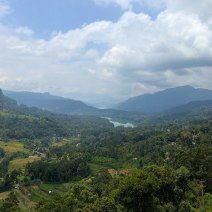
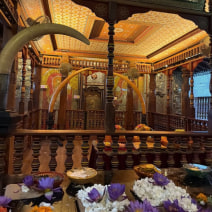
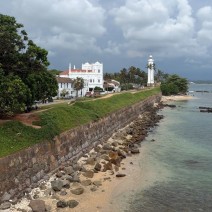
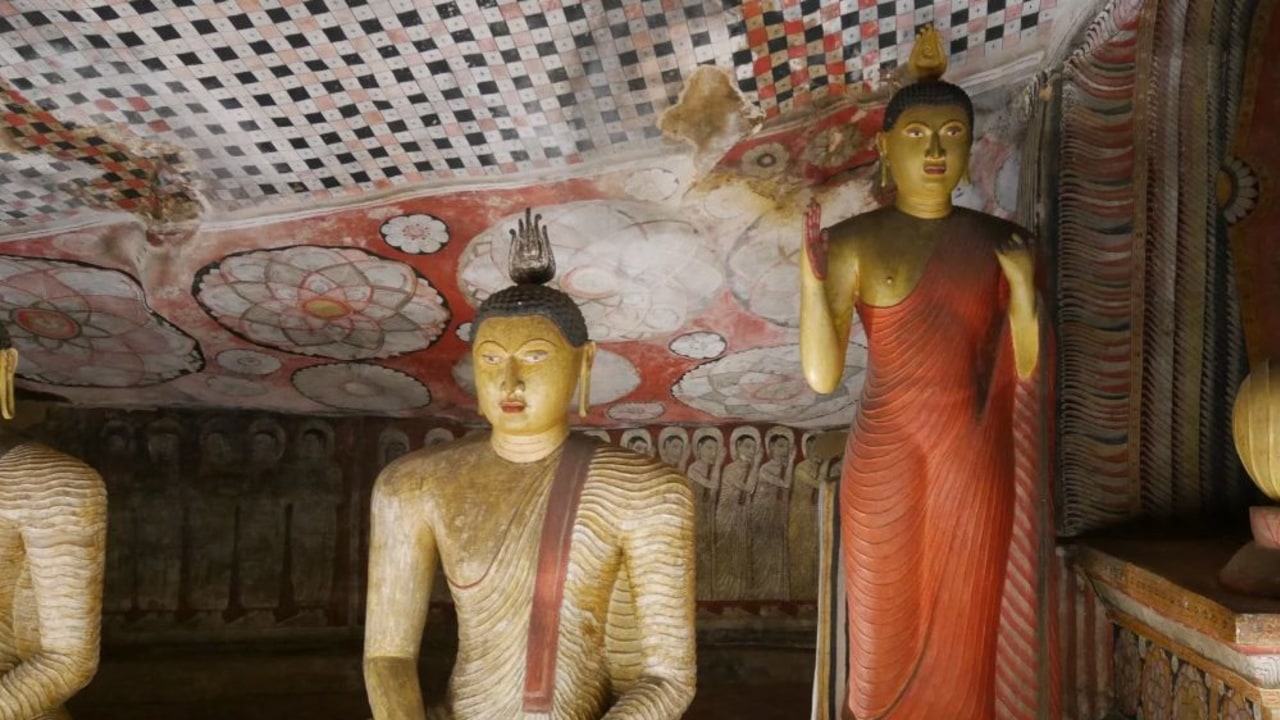
10 Best Things to Do in Sri Lanka
Sri Lanka is home to stunning landscapes, beautiful beaches, incredible wildlife and fascinating historic sites. With so much to see and experience, there’s something for everyone, whether you’re interested in nature or history. Explore some of the highlights you can look forward to on our Sri Lanka holidays.
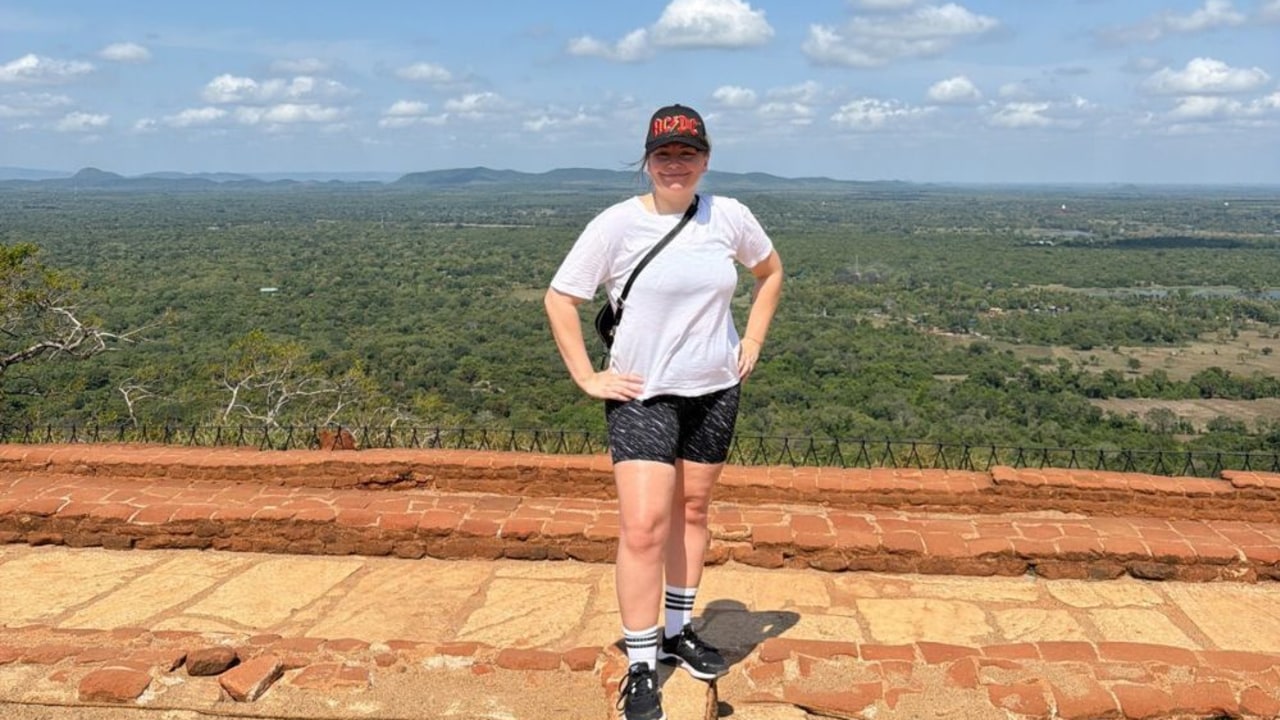
Why Visit Sri Lanka? Culture, Wildlife & Stunning Scenery
Gina from our team recently experienced our very own Sri Lanka tour and shared her favourite moments and personal highlights along the way. Read her blog to find out what she thought of the experience.
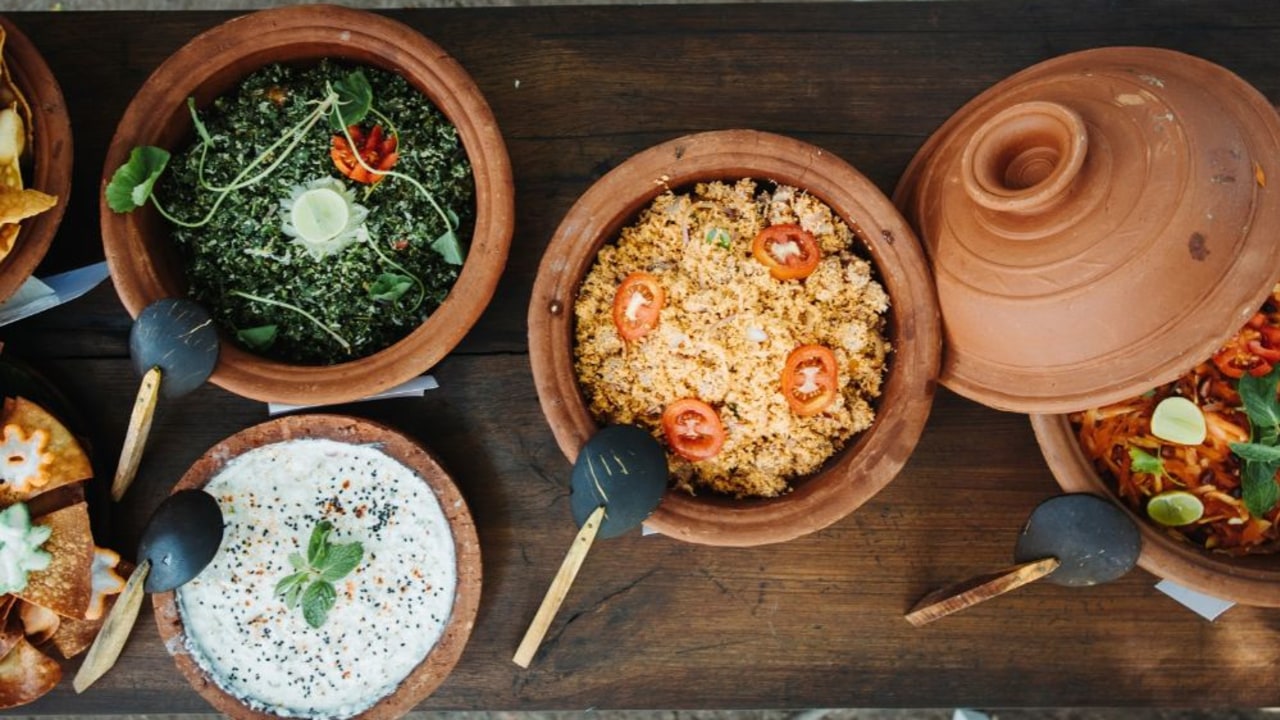
Food and drink in Sri Lanka
Sri Lankan cuisine is full of rich flavours and aromatic spices, influenced by the country’s history and diverse cultures. Some must-try dishes include:
- Rice and Curry: A staple meal featuring steamed rice served with an assortment of vegetable, fish, or meat curries, flavoured with fragrant spices.
- Hoppers (Appam): Bowl-shaped pancakes made from fermented rice flour, often served with an egg or savoury accompaniments like sambols.
- Kottu Roti: A street food favourite, made by stir-frying chopped flatbread with vegetables, egg, and meat, creating a deliciously spicy dish.
- Pol Sambol: A fresh coconut relish mixed with chilli, lime, and onions, perfect as a side dish with many meals.
- Fish Ambul Thiyal: A tangy and flavourful fish curry cooked with a unique souring agent called goraka.
Sri Lanka also boasts a rich tradition of tea, being one of the world’s largest tea producers. From the famous Ceylon tea to local brews enjoyed with milk and sugar, tea is a cultural symbol in Sri Lanka.
Sri Lanka Travel Guide FAQs
Can you give a brief history of Sri Lanka?

Sri Lanka has a fascinating history that stretches back thousands of years. Its location in the Indian Ocean made it an important trading centre, attracting merchants from India, Arabia and Europe. Over time, ancient kingdoms such as Anuradhapura and Polonnaruwa flourished, leaving behind impressive temples, monuments and a lasting Buddhist heritage.
The arrival of the Portuguese, Dutch and British brought further changes to the island, influencing its culture, architecture and traditions. Under British rule, tea plantations became an important part of the economy. Sri Lanka gained independence in 1948 and became a republic in 1972.
Today, the country is known for its rich cultural heritage, fascinating historic sites and beautiful landscapes, with influences from its past still visible throughout the island.
Is Sri Lanka safe to visit?
Sri Lanka is a popular holiday destination and is generally safe for tourists. As with any destination, it's important to take sensible precautions, look after your belongings and follow local advice. Travelling on a guided holiday also offers the reassurance of an experienced guide and a well-planned itinerary.
Do I need a holiday visa for Sri Lanka?
All visitors to Sri Lanka require a Tourist Visa. It is each individual’s own responsibility to secure a Tourist Visa. The Sri Lankan Electronic Travel Authorization System for Tourist Visas is an official authorization for a short visit to Sri Lanka. In line with the Sri Lanka Government ETA regulations, ETA holders will be issued 30 days short visit visa at the port of entry in Sri Lanka.
Is English widely spoken in Sri Lanka?
Yes, English is widely spoken in Sri Lanka, particularly in urban areas, among the educated population, and in business and tourism sectors. However, the country's official languages are Sinhala and Tamil, which reflect its cultural diversity.
What should I pack for a holiday to Sri Lanka?
Pack lightweight, breathable clothing, comfortable walking shoes, sunscreen and insect repellent. We also recommend bringing a light rain jacket for occasional showers and some warmer layers, as temperatures can be cooler in the hill regions.
What should I wear when visiting temples in Sri Lanka?
When visiting temples in Sri Lanka, it's important for both men and women to dress respectfully by covering their shoulders and knees. Shoes and hats will also need to be removed before entering religious sites. If you're wearing sandals, we recommend bringing socks, as the ground can get quite hot when walking barefoot.
How long does it take to travel around Sri Lanka?
Although Sri Lanka may look small on a map, journeys between destinations can take longer than expected due to winding mountain roads and traffic. However, travelling on a guided holiday means you can sit back, relax and enjoy the scenery along the way.
Will I see a leopard on safari in Sri Lanka?
Sri Lanka is one of the best places to spot leopards in the wild, particularly in Yala National Park. However, wildlife sightings are never guaranteed, so patience is key. You may also have the chance to see elephants, a variety of birdlife and, if you're very lucky, the sloth bear.
Can I drink the tap water in Sri Lanka?
Tap water in Sri Lanka is not recommended for drinking, but purified bottled water is widely available. Ice cubes are generally safe in reputable hotels and restaurants, but it's best to avoid them at street stalls or in rural areas.
Can you pay by card in Sri Lanka?
Cards are widely accepted in many tourist areas, but cash is useful for smaller shops, local transport and some attractions.
Is tipping expected in Sri Lanka?
Tipping is a way of showing appreciation for good service in Sri Lanka. While not compulsory, it's common to tip tour guides, drivers, hotel staff and restaurant workers. Tips are always appreciated and can make a meaningful difference to the people who look after you during your holiday. We recommend carrying some small notes in Sri Lankan Rupees for tipping throughout your travels.
What are the best things to buy in Sri Lanka?
Sri Lanka is a great place to shop for local souvenirs and traditional crafts. Popular items include Ceylon tea, aromatic spices, handmade jewellery, colourful textiles and traditional Raksha masks, known for their colourful designs. You'll find a variety of unique gifts and souvenirs in local markets and shops throughout the country.
Sri Lanka Travel Information
- For up-to-date information regarding entry into Sri Lanka please see: www.dfa.ie
- Official Sri Lanka Tourism Board: www.srilanka.travel