Croatia Travel Guide
Croatia offers the perfect combination of natural beauty, rich culture, stunning coastline, Mediterranean climate, UNESCO World Heritage Sites and historical landmarks.
Croatia is a European country with a long coastline on the Adriatic Sea encompassing more than a thousand islands. The country has a population of 3 million, its capital and largest city is Zagreb, and the official language is Croatian.
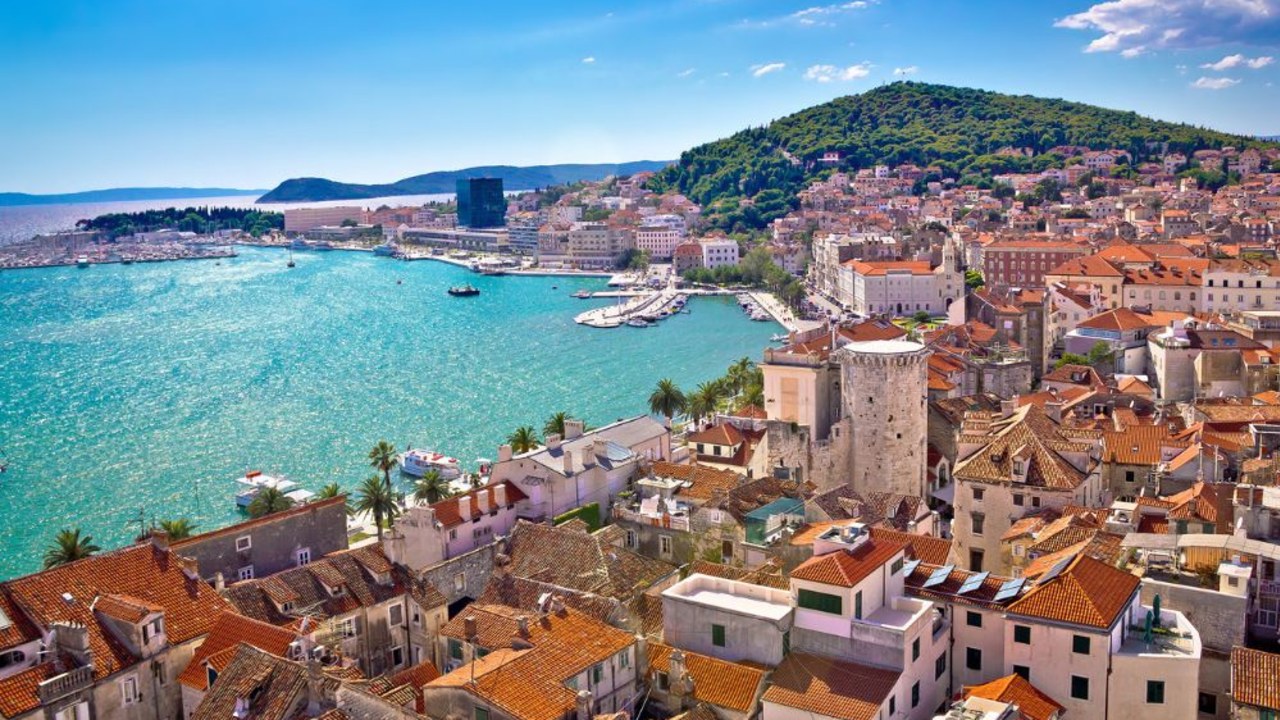
Croatia is best known for its natural beauty and one of the highlights is without doubt its impressive coastline along the Adriatic Sea. The Istrian Coast to the north and the Dalmatian Coast to the south, offers an abundance of fascinating places to explore, including Rovinj, Split, Pula and Porec. Dubrovnik, often referred to as the “Pearl of the Adriatic” is a wonderful choice for city dwellers with its stunning medieval architecture, spectacular views, chic boutiques and stylish bars.
We've outlined some general information that may be helpful to you when planning your next holiday to Croatia.

Time Zone & Currency
Croatia is 1 hour ahead of Greenwich Mean Time (GMT) throughout the year. The currency used is the EURO.

Weather In Croatia
The Croatian climate is characterised by warm and dry summers and mild winters.

Reading For Your Trip To Croatia
April’s Fools Day by Josip Novakovich
The Sound of Blue by Holly Payne
Interception by Nathan Meyer
Best time to go to Croatia
Croatia enjoys a Mediterranean climate, with hot summers and plenty of sunshine. We believe the best time to visit Croatia is during spring (April to June) or autumn (September to November), when the weather is cooler and there are fewer crowds.
Top Tourist Attractions In Croatia


10 things to do in Croatia
With its beautiful coastline, crystal-clear turquoise waters, rugged mountains, charming towns and Mediterranean climate, Croatia has plenty to offer. Discover some of the best things to do in Croatia and the top attractions to experience during your holiday.

Virtual Tour Of Croatia
Take a look at our virtual tour and discover the best of our holidays to Croatia, including its beautiful coastline, historic towns, stunning scenery and fascinating cultural highlights.

10 Incredible things to do in Dubrovnik
George Bernard Shaw once said, "Those who seek paradise on Earth should come to Dubrovnik," while Lord Byron referred to it as the "Pearl of the Adriatic." It's one of the most beautiful cities you're ever likely to visit.
Food and drink in Croatia
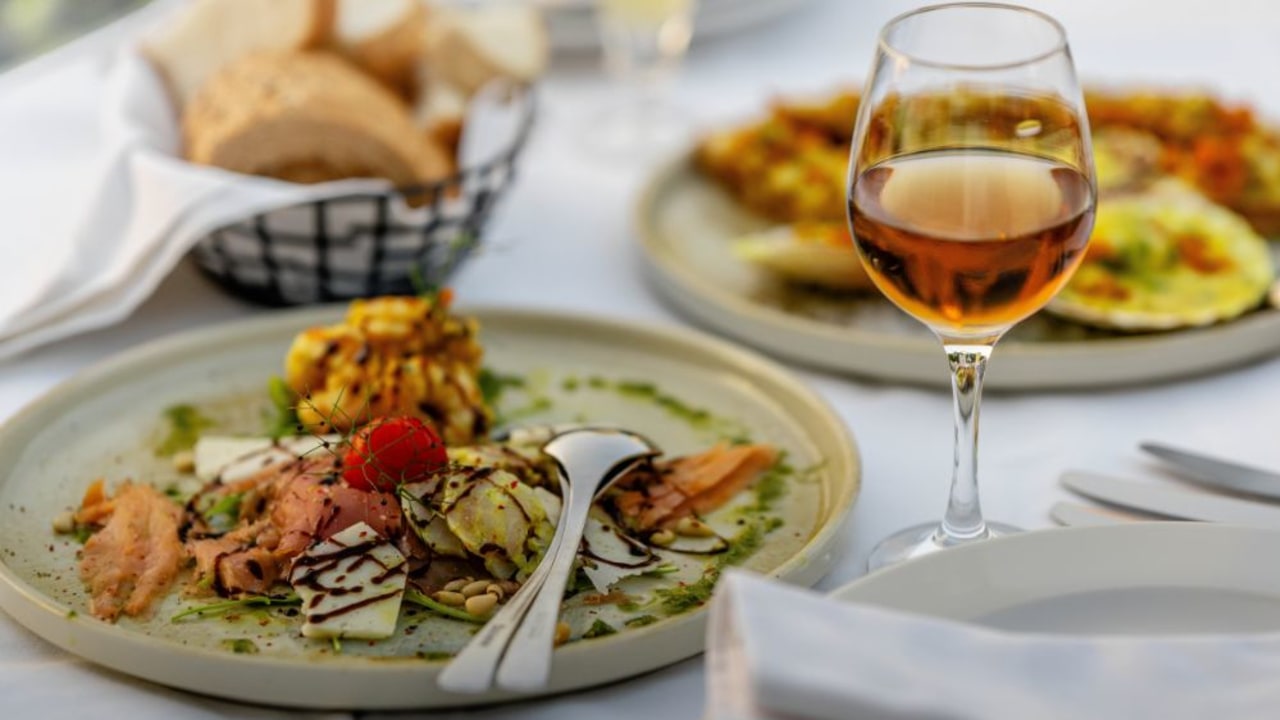
Croatian cuisine is influenced by fresh, seasonal ingredients, with plenty of local specialities to try. From fresh seafood and hearty meat dishes to regional delicacies, there’s something to enjoy throughout your holiday. Some foods worth trying include:
- Prsut: Croatia’s traditional air-dried ham, often served with local sheep’s cheese.
- Black Risotto: A popular seafood dish made with squid ink, particularly enjoyed along the Dalmatian coast and in Dubrovnik.
- Istrian Truffles: A regional speciality, often served with pasta, risotto or other local dishes.
- Grilled Fish & Seafood: Fresh local fish and seafood, typically prepared with olive oil, garlic and aromatic herbs.
- Mišanca: A mix of wild vegetables and herbs, often used in salads, soups, omelettes and stews.
- Croatian Coffee: Coffee is an important part of everyday life in Croatia, with a relaxed café culture similar to neighbouring Italy.
Croatia has a long tradition of winemaking, with local wines produced across regions such as Istria and Dalmatia. Popular varieties include Malvazija, a refreshing white wine, and Plavac Mali, a rich red wine.
Croatia Travel Guide FAQs
Can you give a brief history of Croatia?

Throughout history, modern-day Croatia has been under the rule of various empires and dynasties, including the Romans; there is still evidence of the ancient Roman times such as the amphitheatre in Pula and Diocletian's Palace in Split. It was under the control of the Ottomans, Venetians and the Habsburgs, later becoming part of the Austro-Hungarian Empire in the 19th century. After WW1 the country became part of the Kingdom of Yugoslavia and then after WW2 it became known as the Socialist Federal Republic of Yugoslavia, a communist regime led by President Tito until his death in 1980. Soon afterwards the country began to break up which resulted in a period of wars during the 1990s. Croatia officially became independent in 1991 and whilst the infamous war greatly affected tourism during this dark time, this little country has since emerged to become one of the top destinations in Europe.
Do I require a holiday visa to travel to Croatia?
All EU/EEA nationals must present their valid passport on arrival in Croatia. A visa is not required for EU passport holders. For information on visa requirements for non-EU citizens, we recommend you contact the Croatian embassy or consulate in your country of residence. UK citizens can find further information by visiting www.gov.co.uk
Is it safe to tour Croatia?
The places visited on your itinerary are generally safe and our guides will always keep an eye out for you. However, in any large city there can be opportunists and pickpockets. It is wise to be vigilant, especially at busy tourist attractions, and always take good care of your personal belongings. Make use of the safe at your hotel, and carry a photocopy of your passport when out and about. Always take extra care when using public transport.
Can I use my bank cards while holidaying in Croatia?
ATMs are widely available. Before you travel, we recommend you seek information from your bank regarding card validity and charges. If changing money in banks or exchange offices, it’s wise to check what rate and fees/commissions will apply.
What advice do you have for tipping in restaurants while in Croatia?
Gratuities are not widely expected; however that doesn’t mean they are not appreciated. In the more formal restaurants you could tip 10-15% if you are pleased with the service. In cafes and more casual establishments you can leave some coins from your change on the table, or round up your bill at your own discretion.
What kind of plugs / sockets are used in Croatia?
In Croatia the power sockets are of type F. These are the two prong outputs. The standard voltage is 230 V and the standard frequency is 50 Hz. To avoid any issues we always recommend travelling with a universal adapter as this will be able to work in any country you visit.
What are the best places to visit in Croatia?
Some of the best places to visit in Croatia include Dubrovnik, Split, Zagreb and the beautiful Plitvice Lakes National Park.
What language is spoken in Croatia?
Croatian is the official language of Croatia, but English is widely spoken, particularly in popular tourist areas.
Is Croatia a good destination for a holiday?
Yes, Croatia is a fantastic holiday destination, known for its beautiful coastline, historic towns, picturesque islands and Mediterranean climate.
Is Croatia suitable for a guided holiday?
Yes, Croatia is ideal for a guided holiday, allowing you to discover its historic cities, scenic landscapes and cultural highlights with an expert local guide.
Useful Links
- For up-to-date information regarding entry into Croatia please see: www.dfa.ie
- Official Croatian Tourism Board: croatia.hr