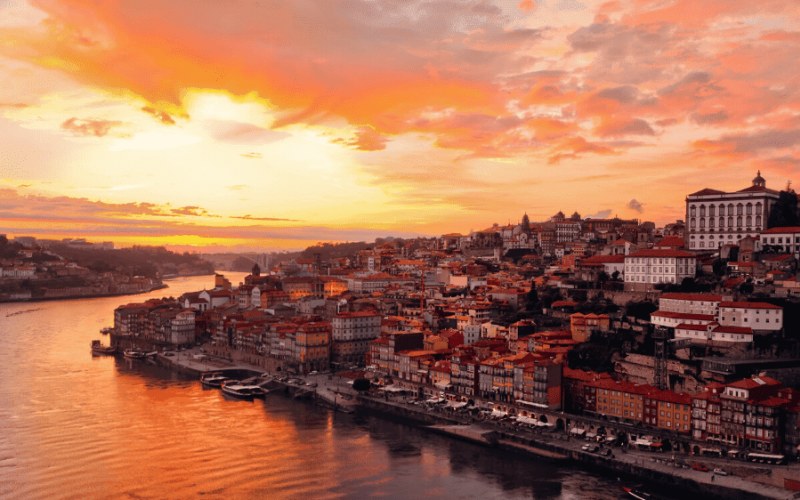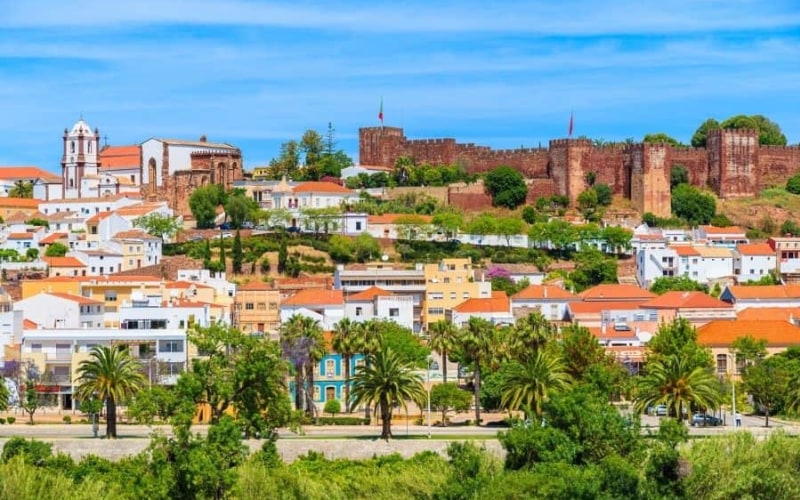
Known as the “city of seven hills,” Lisbon offers a unique character and striking scenery, making it one of Europe’s most attractive capitals. It's a must-see destination during any holiday to Portugal.
A city break in Lisbon is perfect if you're looking for a quick escape. Even on a rainy day the Portuguese capital has its charms; from the intricate mosaic-like footpaths to enjoying a night out listening to Fado, Portuguese folk music. You can even visit the Lisbon Coast on a Travel Department guided holiday.
Top reasons to visit Lisbon
Explore the colourful districts of Baixa and Bairro Alto
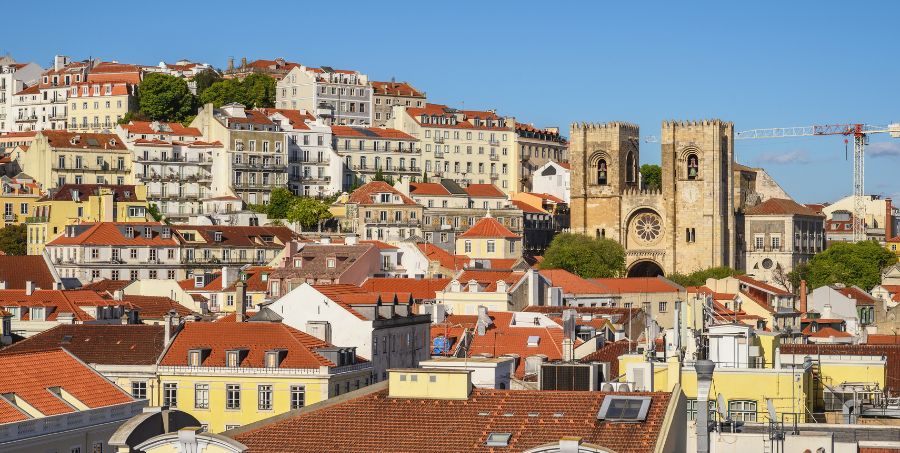
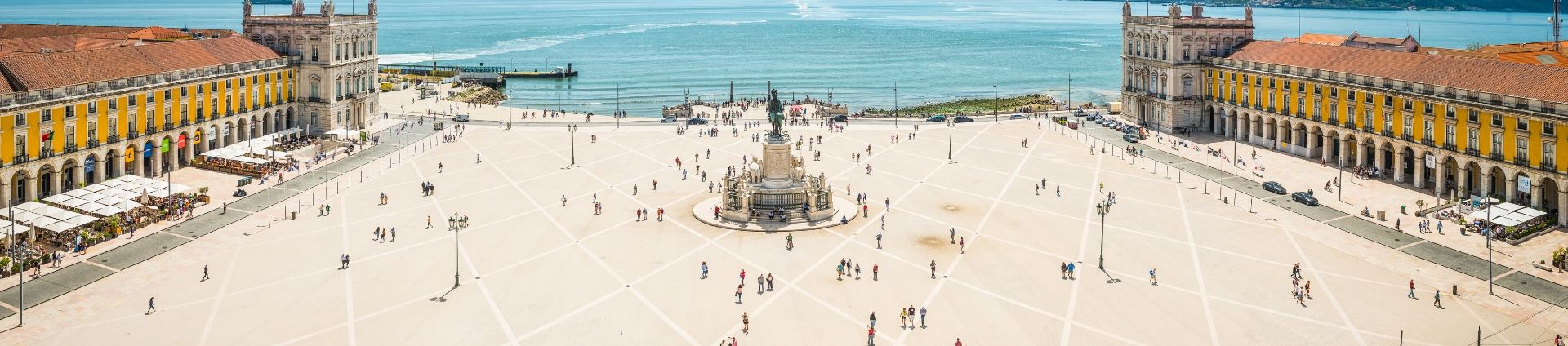
In the heart of Lisbon is the lively Baixa district which extends to the riverbank of the “Tejo” (Praça do Comércio). Rebuilt after the earthquake of 1755, it has an elegant, ordered layout and a sense of openness that makes it easy to explore on foot. The wide streets, grand squares and decorative facades give it a polished feel, while still leaving plenty of space to wander, browse shops and watch daily life unfold.
It is in this part of the city that you’ll find the Santa Justa elevator which takes you up to “Largo do Carmo” (Carmo Square) and rewards you with an impressive view across the rooftops towards the castle and river. Nearby, you will also find one of the best museums in Lisbon, the Carmo Archaeological Museum, housed within the atmospheric ruins of a former convent, with open stone arches framing the sky above.
The district of the “Bairro Alto” is an old residential area made up of narrow, cobbled streets and traditional houses, with small restaurants tucked in among them. By day it feels quiet and lived-in, but as evening approaches it takes on a completely different character. The streets gradually fill with people, conversation spills out onto the pavements, and the area becomes one of the most atmospheric parts of the city, with plenty of small bars and late-night spots hidden throughout its historic lanes.
See historical sights - Belem & Jerónimos Monastery
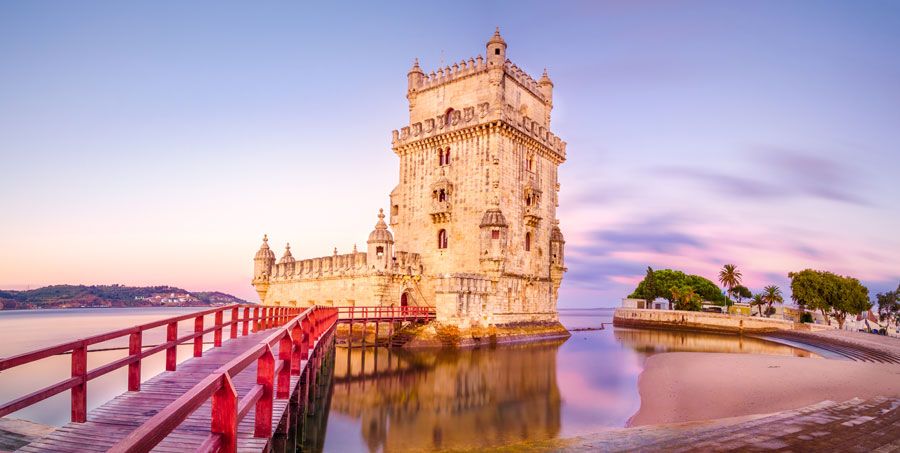
Another quarter worth noting is “Belém”, one of Lisbon’s most historically rich riverside areas. It is home to some of the city’s most recognisable landmarks, including the Belém Tower, perhaps Lisbon’s most photographed monument. Built in the 16th century, it stands at the edge of the Tagus River and once served as part of the city’s defence system, as well as a ceremonial gateway for ships setting out during the Age of Exploration. Today, it remains a striking reminder of Portugal’s maritime past, with its ornate stonework and riverside setting.
Just inland, the Jerónimos Monastery is a remarkable example of Manueline architecture, known for its intricate detail and impressive scale. Nearby, the Monument to the Discoveries celebrates the explorers who shaped Portugal’s global history, standing prominently along the waterfront.
Together, these sights give Belém a strong sense of heritage and identity, where grand architecture meets wide open river views and tree-lined walkways.
Ride Tram 28 route through the city
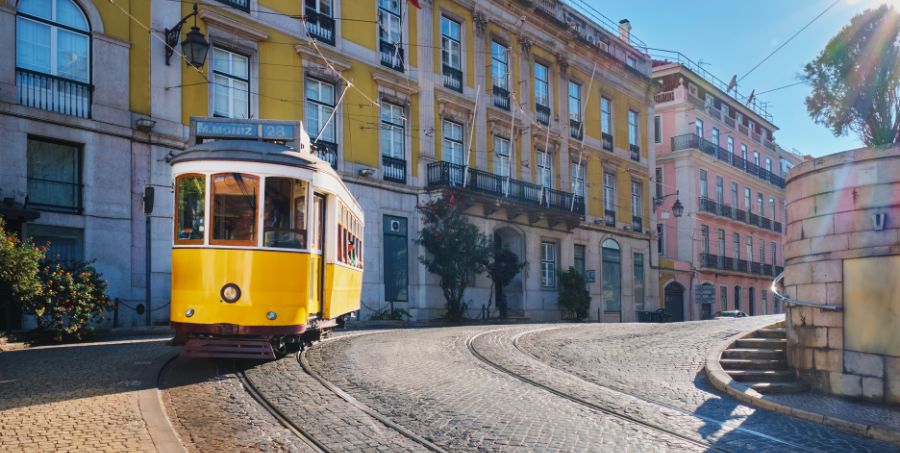
Another highlight is the iconic Tram 28, which winds its way through some of Lisbon’s most recognisable districts, linking areas such as Graça, Alfama, Baixa and Estrela. The journey itself is part of the experience, with steep climbs, tight corners and views that shift from intimate neighbourhood streets to sweeping city panoramas as it passes through the heart of Lisbon.
Visit Sao Jorge Castle and take in panoramic city views

São Jorge Castle sits high above Lisbon’s historic centre and is one of the city’s most prominent landmarks. Overlooking Alfama and the wider city, it offers sweeping views across the rooftops and out towards the Tagus River. The site has been occupied in various forms since ancient times, and today visitors can explore its stone walls, towers and open courtyards. Beyond the views, it provides a clear sense of Lisbon’s layered history, with traces of Moorish and medieval influence still visible throughout the structure and its surroundings.
Taste authentic Portuguese food in Lisbon

Lisbon is famous for inventing the Portuguese Custard Tart or ‘Pastel de nata’ and you will find it in every pastry shop, such as Pastéis de Belém. Founded in 1837, they use a recipe from Jeronimos Monastery and claim to sell nearly 30,000 a day!
Portuguese cuisine is well-known for its cod (locally called Bacalhau) which is considered a delicacy. You can also savour the delights of locally produced wines; you can easily find good Porto, white and red wines, and what the Portuguese call “Vinho Verde” (green wine). The latter is a sparkling wine that derives its name from the fact that the grapes used are 'green' and slightly under-ripe, but still delicious.
Experience Fado: Lisbon's traditional music

Fado is an important part of Lisbon’s cultural identity, and can be experienced in intimate venues across the city, particularly within the older neighbourhoods. The music is traditionally performed live, creating a reflective and atmospheric evening experience that contrasts with the energy of the daytime streets.
Stay on the Estoril coast for easy access to Lisbon
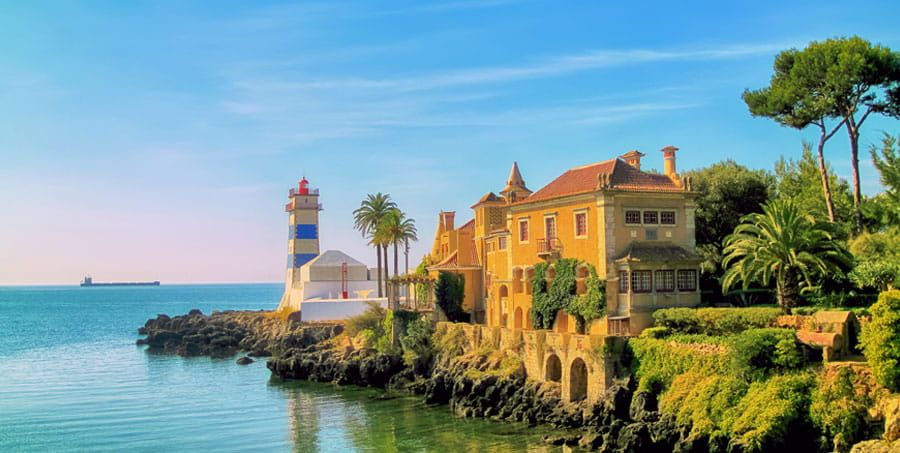
The Estoril coast offers a relaxed base along the Portuguese Riviera, just a short distance from Lisbon. Known for its long sandy beaches and easy-going seaside atmosphere, Estoril provides a slower pace while still keeping the capital within easy reach. Alongside neighbouring Cascais, a former fishing port with a charming historic centre and marina, it creates a coastal setting that feels both peaceful and well connected.
One of the main advantages of staying in Estoril is how simple it is to take a day trip into Lisbon. The capital is close enough for a straightforward journey, allowing you to spend time exploring its districts, riverside squares and historic landmarks before returning to the coast later in the day
Ready to visit Lisbon?
Browse our range of Lisbon Holidays today! Discover the delights of Portugal’s capital with a Lisbon City Break or take a holiday to Estoril & the Lisbon Coast. Our local expert guides will show you the very best of the city, bringing its history, culture and atmosphere to life.