Peru Travel Guide
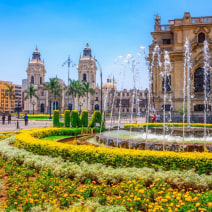
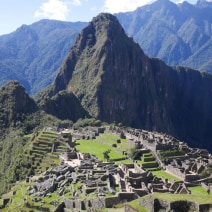
Peru is a country of remarkable diversity, offering a rich mix of ancient history, vibrant cities, cultural traditions, and striking natural landscapes. It has a population of around 34 million people, with Spanish as the official language, alongside Quechua and Aymara spoken in many Andean regions. Its capital city, Lima, is a lively coastal hub known for its world-class food scene and historic centre. In the Andes, Cusco once the capital of the Inca Empire combines impressive colonial architecture with deep historical significance and serves as the main gateway to the Sacred Valley and Machu Picchu.
We've outlined some general information that may be helpful to you when planning your next Peru holiday.

Time Zone & Currency in Peru
Peru five hours behind Greenwich Mean Time (GMT-5) and does not observe daylight saving time. The currency is the Sol (S/).

Weather in Peru
Peru has such a diverse landscape that the climate differs immensely dependent on the region you are travelling in. Typically, it is warm in the north, a little colder to the centre and in the south there are expansive deserts that are hot during the day and cold during the night time.

Reading For Your Trip To Peru
The Last Days of the Incas by Kim MacQuarrie
Deep Rivers by José María Arguedas
Turn Right at Machu Picchu by Mark Adams
Best time to go to Peru
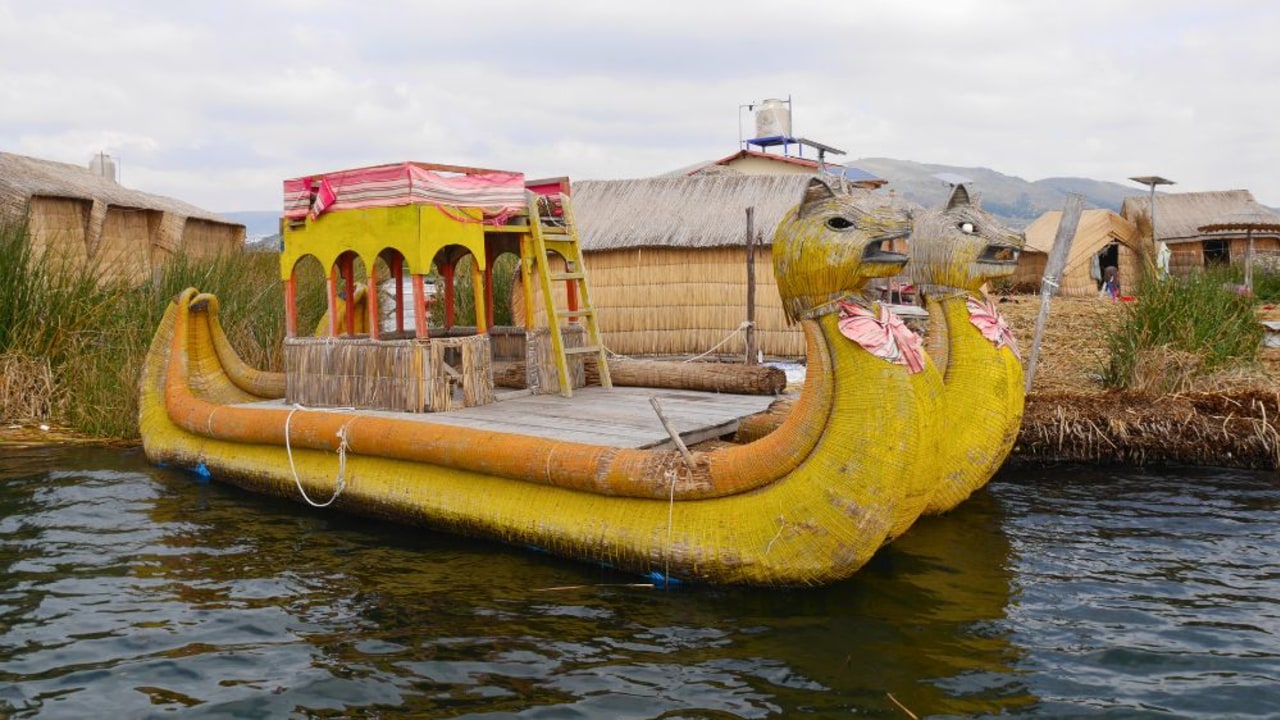
We travel to Peru in November, a lovely time to visit as the country starts to shift between the dry and wet seasons. In many areas, you’ll still find plenty of dry, pleasant days, especially along the coast and in places like Lima, while the Andes begin to turn greener again after the dry months. In and around Cusco and the Sacred Valley, daytime temperatures are generally comfortable, though evenings can feel quite cool. November is also a great time to explore Peru’s rich cultural heritage, world-famous archaeological sites, and diverse natural scenery, before the wet season fully sets in.
Top Tourist Attractions In Peru
Food and drink in Peru
Peruvian cuisine is renowned for its rich culinary heritage, diverse regional flavours, and the use of fresh local ingredients from the coast, Andes, and Amazon. Some must-try dishes include:
- Ceviche: Peru’s national dish, made with fresh raw fish marinated in lime juice and mixed with onions, chilli peppers, and coriander, typically served with sweet potato and corn.
- Lomo Saltado: A popular stir-fry that blends Peruvian and Chinese influences, featuring strips of beef, onions, tomatoes, and chips, usually served with rice.
- Aji de Gallina: A comforting dish of shredded chicken in a creamy, mildly spicy sauce made with aji amarillo peppers, cheese, milk, and walnuts.
- Anticuchos: Grilled skewers of marinated beef heart, traditionally sold by street vendors and enjoyed with potatoes and corn.
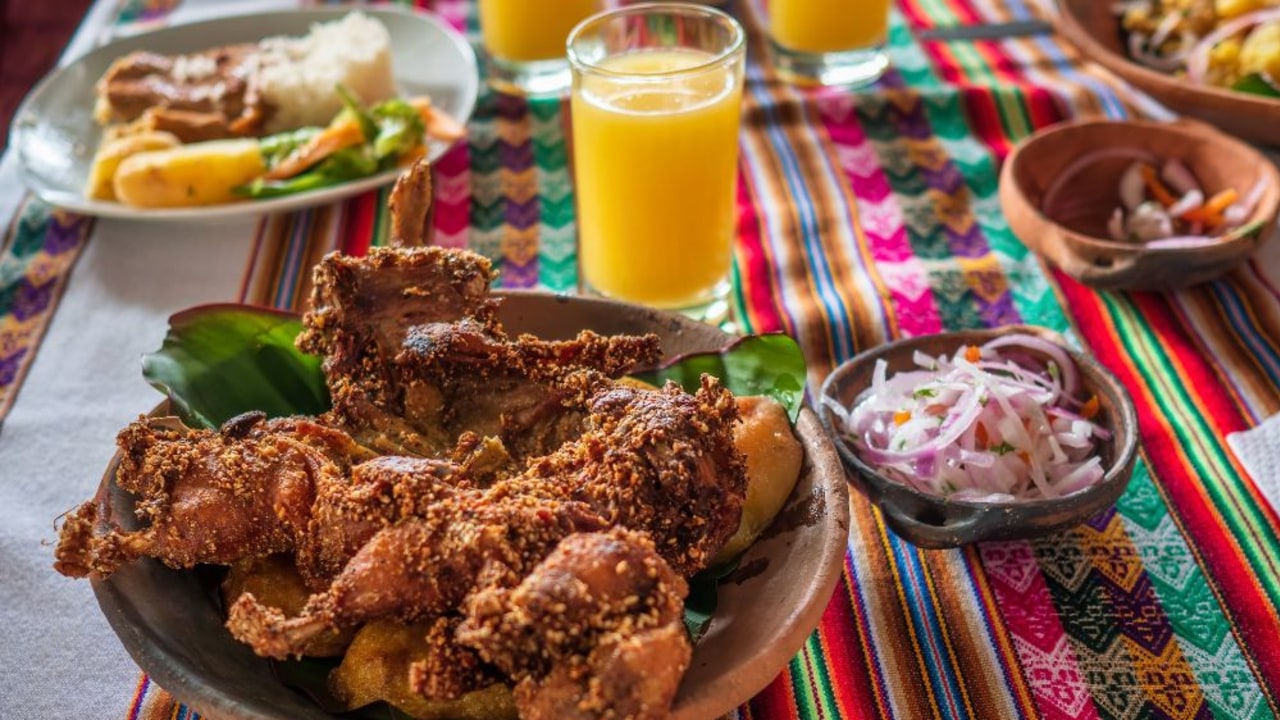
- Cuy: A traditional Andean delicacy made from roasted or fried guinea pig, often served during celebrations and special occasions. It has been part of Peruvian cuisine for centuries and remains particularly popular in the highland regions.
When it comes to drinks, Peru is famous for the Pisco Sour, a cocktail made with pisco, lime juice, egg white, and bitters. Chicha morada, a sweet purple corn drink, is a popular non-alcoholic option. Beyond traditional drinks, Peru also produces excellent coffee in its highland regions, along with a growing selection of quality wines and craft beers.
Peru Travel Guide FAQs
Can you give a brief history of Peru?

Peru’s history is closely tied to the Inca Empire, which rose to power in the 15th century and became the largest empire in pre-Columbian America. With its capital in Cusco, the Incas built an impressive network of roads, terraces, and settlements across the Andes, many of which still remain today, including sites such as Machu Picchu. In the 16th century, the Spanish arrived and conquered the Inca Empire, bringing the region under colonial rule for nearly 300 years. During this time, Indigenous and Spanish cultures blended, shaping much of Peru’s language, architecture, religion, and traditions that are still visible today. Peru gained independence in 1821, and since then the country has experienced periods of political and economic change as it developed into the modern nation it is today. Alongside this, Peru has worked to preserve its strong Indigenous heritage while continuing to grow as a diverse and culturally rich country.
Do I need a holiday visa for Peru?
If you are a citizen of the EU or the United Kingdom and hold an EU or British passport there are no otherrequirements for entry other than having a valid passport with at least 6 months validity. A tourist card will behanded out on the plane before arrival, and this is what you hand to the customs officers in Peru.
Do I need any vaccinations to travel to Peru?
Prior to travel we recommend seeking a qualified medical practitioner’s advice about vaccinations and up to date precautionary medicine.
Is Peru a safe country to visit?
The destinations included on our Peru tours are generally considered safe, and our guides will always be on hand to support you. However, as in any major city, there may be opportunistic pickpockets, particularly in busy tourist areas. It is advisable to remain aware of your surroundings and keep a close eye on your personal belongings at all times. We recommend using your hotel safe for valuables and carrying a photocopy of your passport when you are out and about. Extra care should also be taken when using public transport.
Will I get altitude sickness in Peru?
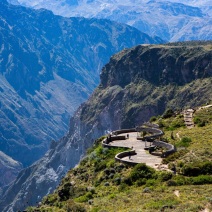
Altitude sickness can occur when travelling to higher elevations in Peru and can happen regardless of age or fitness level. Some visitors to Cusco, Arequipa, the Colca Canyon and Lake Titicaca may experience mild symptoms, which often improve as the body acclimatises over a day or two. It is important to stay well hydrated and take time to rest on arrival. Drinking coca or herbal tea, which is commonly offered in hotels and widely used locally, may also help ease the effects of altitude. We recommend asking your doctor about medication that can help treat altitude sickness before you travel. If you have high blood pressure, anaemia, respiratory conditions or heart disease, it is advisable to consult your doctor before travelling.
Do you need tickets to enter Machu Picchu, and should they be booked in advance?
Tickets are required for entry to Machu Picchu and must be purchased for a specific date and time. We organise the tickets for you as part of our Peru tours and recommend booking well in advance to guarantee availability and secure your preferred travel dates.
Peru Travel Information
- For up-to-date information regarding entry into Peru please see: www.dfa.ie
- Official Peruvian Tourism Board: Peru Travel