Ecuador & The Galápagos Islands Travel Guide
Ecuador is a fascinating destination known for its incredible biodiversity, dramatic volcanic landscapes, rich cultural heritage and extraordinary wildlife, from the towering peaks of the Andes to the unique Galápagos Islands. Located on the west coast of South America, Ecuador has a population of approximately 18 million. Its capital is Quito, and the official language is Spanish, though several indigenous languages are also spoken.
Ecuador's combination of fascinating history, diverse landscapes and remarkable wildlife makes it a wonderful destination to explore.
We've outlined some general information that may be helpful to you when planning your next holiday to Ecuador & the Galápagos Islands.

Time Zone & Currency in Ecuador
Mainland Ecuador is five hours behind Greenwich Mean Time (GMT-5), while the Galápagos Islands are six hours behind (GMT-6). Ecuador does not observe daylight saving time. The official currency is the US Dollar (USD).

Weather in Ecuador
Ecuador's diverse geography brings varied climates, with cooler temperatures in Quito due to its high altitude. The Galápagos Islands enjoy a warm climate year-round, with a cooler, drier season from June to November.

Reading For Your Trip To Ecudaor
The Voyage of the Beagle by Charles Darwin
The Ecuador Reader: History, Culture, Politics by Carlos de la Torre and Steve Striffler
Galapagos by Kurt Vonnegut
Best time to go to The Galapagos Islands
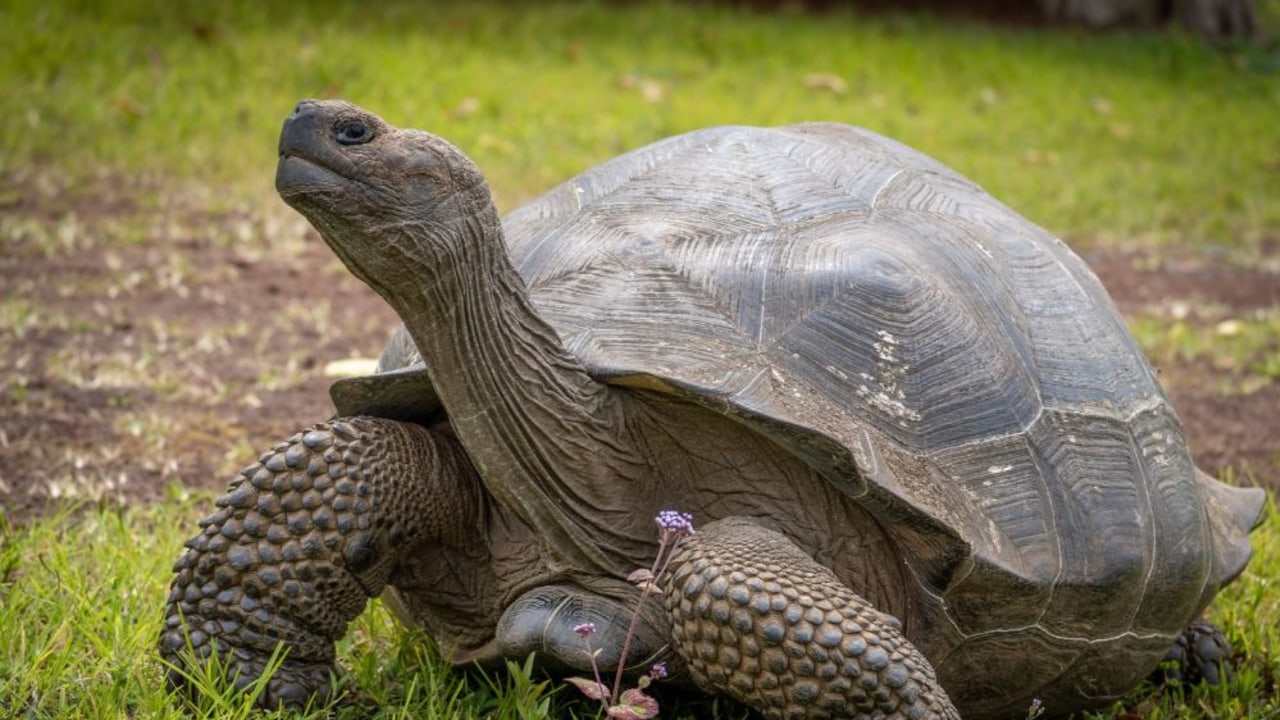
The Galápagos Islands are a fantastic destination to visit year-round, thanks to their unique wildlife, spectacular landscapes and pleasant climate. We travel in November, towards the end of the cooler, drier season, when temperatures are comfortable for exploring. This is an excellent time for wildlife spotting, with opportunities to see giant tortoises, sea lions, marine iguanas and blue-footed boobies in their natural habitats. The islands' extraordinary biodiversity and breathtaking scenery make for a truly unforgettable experience.
Top Tourist Attractions In Ecuador & The Galapagos

Food and drink in Ecuador
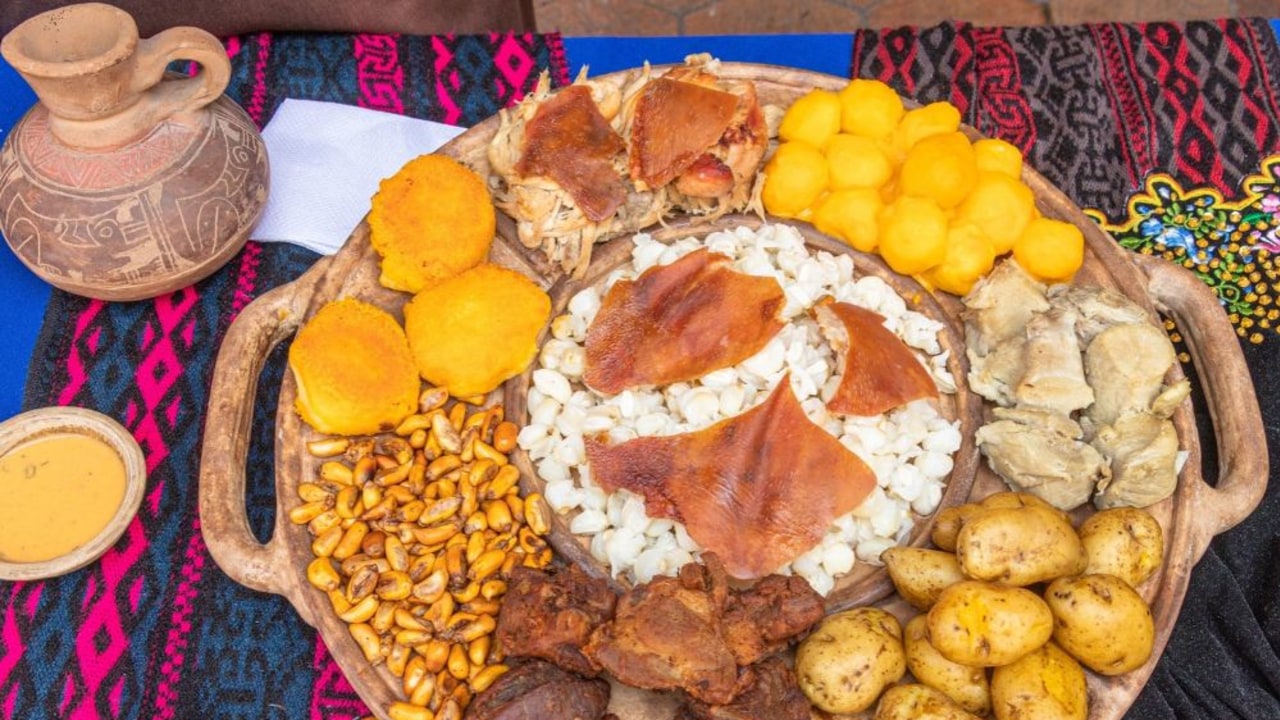
Ecuadorian cuisine is diverse and full of flavour, with a strong emphasis on fresh, local ingredients. From traditional dishes in Quito to fresh seafood in the Galápagos Islands, there’s plenty to enjoy. Some must-try dishes include:
- Locro de Papa: A traditional Ecuadorian potato soup made with cheese and often served with avocado.
- Ceviche: A popular seafood dish featuring fresh fish or shrimp marinated in citrus juices, often served with plantain chips.
- Llapingachos: Delicious potato patties filled with cheese, typically served with avocado, eggs or meat.
- Encebollado: A hearty fish soup made with tuna, cassava, onions and fresh herbs.
- Encocado de Pescado: A flavourful fish dish cooked in a rich coconut sauce, typically served with rice.
- Bolón de Verde: Mashed green plantain balls filled with cheese or pork, often enjoyed for breakfast.
Ecuador is also known for its high-quality coffee and chocolate, made from locally grown cocoa beans. Fresh tropical fruit juices are widely enjoyed, while canelazo, a traditional warm drink made with cinnamon, fruit juice and sugarcane spirit, is another local favourite.
Ecuador & The Galapagos Travel Guide FAQs
Can you give a brief history of Ecuador and the Galápagos Islands?

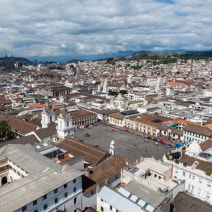
Ecuador has a rich history shaped by ancient indigenous civilisations, the Inca Empire and Spanish colonial rule. The country gained independence from Spain in 1822, and its capital, Quito, is renowned for its beautifully preserved historic centre, recognised as a UNESCO World Heritage Site. The Galápagos Islands became part of Ecuador in 1832 and gained worldwide recognition following Charles Darwin's visit in 1835. His observations of the islands' unique wildlife helped shape his theory of evolution. Today, the Galápagos Islands are a UNESCO World Heritage Site, celebrated for their extraordinary biodiversity and conservation efforts.
Do I need a visa to visit Ecuador and the Galápagos Islands?
All visitors to Ecuador must have a passport valid at least six months. Ecuador has opened the requirement forvisas and at present all citizens do not require a consular visa to visit Ecuador. Upon entry, all visitors arerequired to complete a brief international embarkation card, which is stamped along with your passport, as it willbe required when leaving the country
Do I need vaccinations to visit Ecuador and the Galápagos Islands?
It's important to check the latest vaccination recommendations before travelling to Ecuador. We recommend consulting your GP or a travel health professional well in advance of your departure for advice based on your individual circumstances and itinerary.
What should I pack for Ecuador and the Galápagos Islands?
We recommend packing lightweight, comfortable clothing, sturdy walking shoes, sun protection and a waterproof jacket. As temperatures can be cooler in Quito due to its altitude, it's also advisable to bring some warmer layers.
Will I experience altitude sickness in Ecuador?
Quito is located at approximately 2,850 metres above sea level, so some visitors may experience symptoms of altitude sickness. These can include headaches, dizziness, nausea, fatigue and shortness of breath. It's important to take time to adjust to the altitude and inform your tour guide if you experience any symptoms. The Galápagos Islands are at a much lower altitude, so altitude sickness is generally not a concern there.
What wildlife can I see in the Galápagos Islands?
The Galápagos Islands are renowned for their extraordinary wildlife, including giant tortoises, marine iguanas, sea lions, blue-footed boobies and Galápagos penguins. Many species are found nowhere else in the world, making the islands a truly unique destination for nature lovers.
What are the best islands to visit in the Galápagos?
The Galápagos Islands offer a fascinating mix of unique landscapes and extraordinary wildlife. Some of the most popular islands to visit include Santa Cruz, Bartolomé and South Plaza, each offering memorable experiences and opportunities to observe giant tortoises, marine iguanas, sea lions and blue-footed boobies in their natural habitats.
Ecuador & The Galapagos Travel Information
- For up-to-date information regarding entry into Ecuador please see: www.dfa.ie
- Official Ecuador Tourism Board: www.ecuador.travel